
Ultrasonic graphene dispersion equipment utilizes high-frequency cavitation effects to efficiently exfoliate graphite layers, de-agglomerate particles, and stably disperse them within a solvent; it is a critical tool for preparing high-quality graphene solutions. However, in practical operation, inefficiencies or even equipment damage often arise due to improper parameter settings, specific media characteristics, or neglected equipment maintenance. Scientifically identifying issues that emerge with ultrasonic graphene dispersion equipment—and implementing targeted corrective measures—is essential for ensuring both effective dispersion results and the longevity of the equipment.
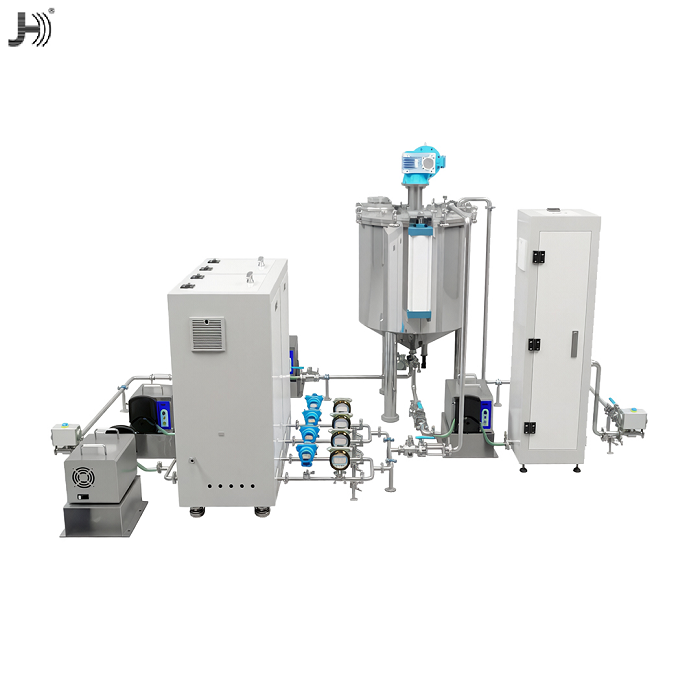
I. Poor Dispersion Results and Severe Agglomeration
Causes: Insufficient ultrasonic power, excessively short processing times, improper solvent selection, or graphite raw materials with particle sizes that are too large.
Solutions:
Optimize process parameters: It is recommended to set the power output to 60%–80% of the equipment’s rated capacity to avoid excessive power levels that could lead to localized overheating and carbonization;
Extend the processing duration (typically 30–120 minutes), and employ an intermittent operating mode (e.g., 5 seconds on / 2 seconds off) to prevent rapid temperature increases;
Select solvents that are well-matched to the material’s surface tension—such as NMP, DMF, or aqueous solutions containing surfactants;
Pre-grind the graphite raw materials to a micron scale to enhance exfoliation efficiency.
II. Rapid Increase in Sample Temperature
Causes: Concentrated heat generation resulting from continuous sonication, coupled with insufficient cooling. High temperatures not only compromise the structural integrity of the graphene but may also trigger solvent volatilization or combustion.
Solutions:
It is mandatory to utilize an ice bath or an external circulating cooling system to maintain the system temperature below 40°C;
Employ a pulsed operating mode to reduce the average power output;
Ensure the liquid level within the container is appropriate (covering the transducer/probe without overfilling) to facilitate effective heat dissipation.
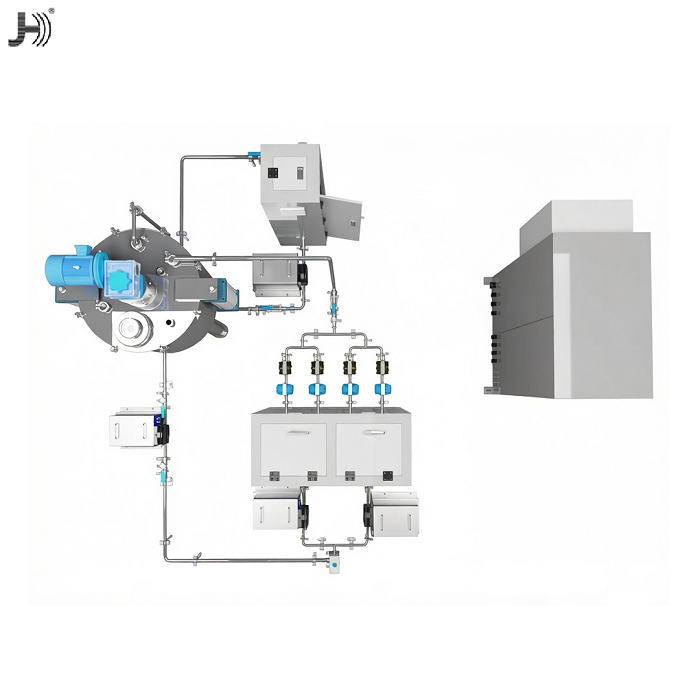
III. Wear or Fracture of the Ultrasonic Probe (Horn)
Causes: The probe making contact with the bottom or walls of the container, “dry running” (operating without liquid), erosion by corrosive solvents, or prolonged operation under heavy loads.Solution:
The probe should be suspended at the center of the liquid surface, positioned at least 1 cm above the bottom of the container; under no circumstances should the device be started without a liquid load or allowed to come into contact with hard objects.
When processing strong acid or strong alkali systems, select a titanium alloy probe and reduce the duration of each individual operating cycle.
Periodically inspect the probe tip for any signs of pitting or cracks, and promptly replace any worn components.
IV. Equipment Alarms or Automatic Shutdown
Causes:Triggering of overheat protection, abnormal load conditions (e.g., insufficient liquid volume), power supply fluctuations, or circuit malfunctions.
Solution:Ensure that the liquid volume meets the minimum volume requirements (typically ≥ 50 mL).Allow the equipment to cool down for 30 minutes before restarting.
Verify the stability of the power supply voltage; install a voltage regulator if necessary.
Post time: May-12-2026