
Ultrasonic dispersers utilize high-frequency vibrations to generate powerful shear and impact forces, achieving rapid particle dispersion. They offer advantages such as short processing time, high efficiency, good uniformity, and low heat generation, making them widely used in nanomaterial preparation, chemical engineering, biomedicine, coatings, and inks. Furthermore, by adjusting the frequency, power, and processing time of the ultrasonic waves, they can adapt to different materials and dispersion requirements, achieving precise control.
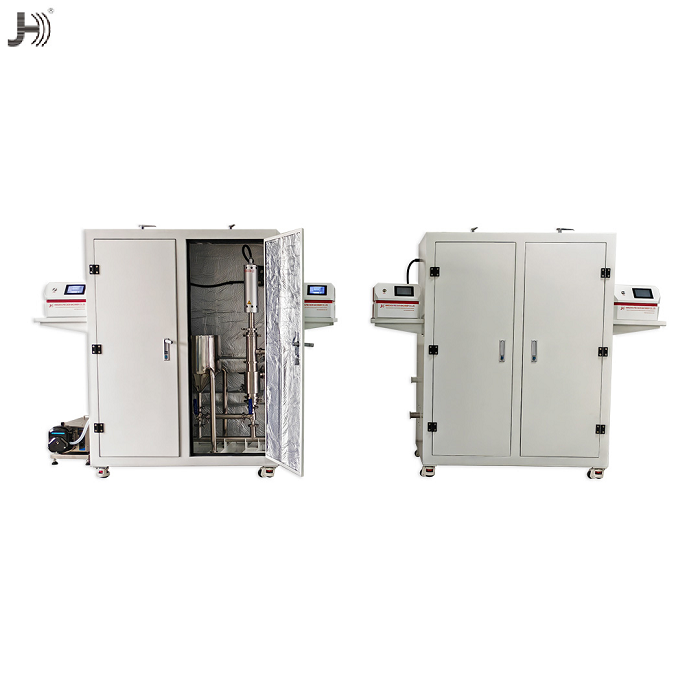
Several key factors need to be considered when selecting an ultrasonic disperser, as these directly impact your experimental results and work efficiency.
Here are some important factors to consider:
1. Frequency and Power: Frequency is typically measured in gigahertz (kHz), and power in watts (W). Higher frequencies disperse particles more effectively, while higher power accelerates the dispersion process.
2. Processing Capacity: Select an appropriate processing capacity based on your experimental needs and sample size. Ensure you choose equipment that matches your workload to maximize efficiency.
3. Sample Type: Different samples require different processing methods. Some models offer different processing modes that can be adjusted according to the characteristics of the sample.
4. Liquid Temperature Control: For sensitive samples or samples requiring specific temperature conditions, liquid temperature control is essential. Some models offer temperature control to maintain the sample at a constant temperature during operation.
5. Ease of Operation: A user-friendly and intuitive interface is crucial. Easy-to-operate equipment improves efficiency and reduces the risk of operational errors.
6. Maintenance Costs: Besides purchase cost, maintenance costs, including consumable replacements and repairs, must be considered. Choosing equipment with relatively low maintenance costs and ease of maintenance is more economical.
7. Brand Reputation and After-Sales Service: Branded equipment generally offers better quality assurance and more reliable after-sales service. Ensure the equipment has a good warranty policy and timely technical support.
8. Safety: The equipment generates high energy during operation, making safety a critical consideration. Ensure it has necessary safety features such as overload protection and overheat protection.
By comprehensively considering the above factors when selecting an ultrasonic disperser, and choosing the appropriate equipment based on your experimental needs and budget, you will improve experimental efficiency and ensure the reliability of experimental data.
Post time: May-25-2026